
How to Negotiate Bearing Prices with Chinese Suppliers
Generic haggling almost never locks in the lowest bearing prices from Chinese suppliers, but aligning your order parameters with their operational rules does. Most buyers walk away from negotiations leaving 20-30% of potential savings on the table, because they focus on pushing per-unit numbers instead of mapping their request to how suppliers actually structure production and inventory. This happens across every buyer segment, from small MRO shops placing 10-piece emergency orders to bulk distributors arranging full container shipments.
Successful negotiation for bearings from Chinese suppliers relies on matching your order to supplier production run schedules and existing stock SKUs, rather than one-off price bargaining, to secure 50-70% off OEM brand pricing while retaining consistent quality and delivery timelines.
After working with over 1,200 buyers across 80+ countries to source bearings from Chinese manufacturers, I’ve seen first-hand that even small tweaks to order structure can deliver far bigger savings than threatening to take business elsewhere. [NEED_CITE: Aligning small order quantities with supplier existing stock SKUs delivers better per-unit pricing than custom production of the same volume] This approach works equally well for urgent 10-piece replacement orders and quarterly bulk restocks, with no tradeoff in quality or lead time.
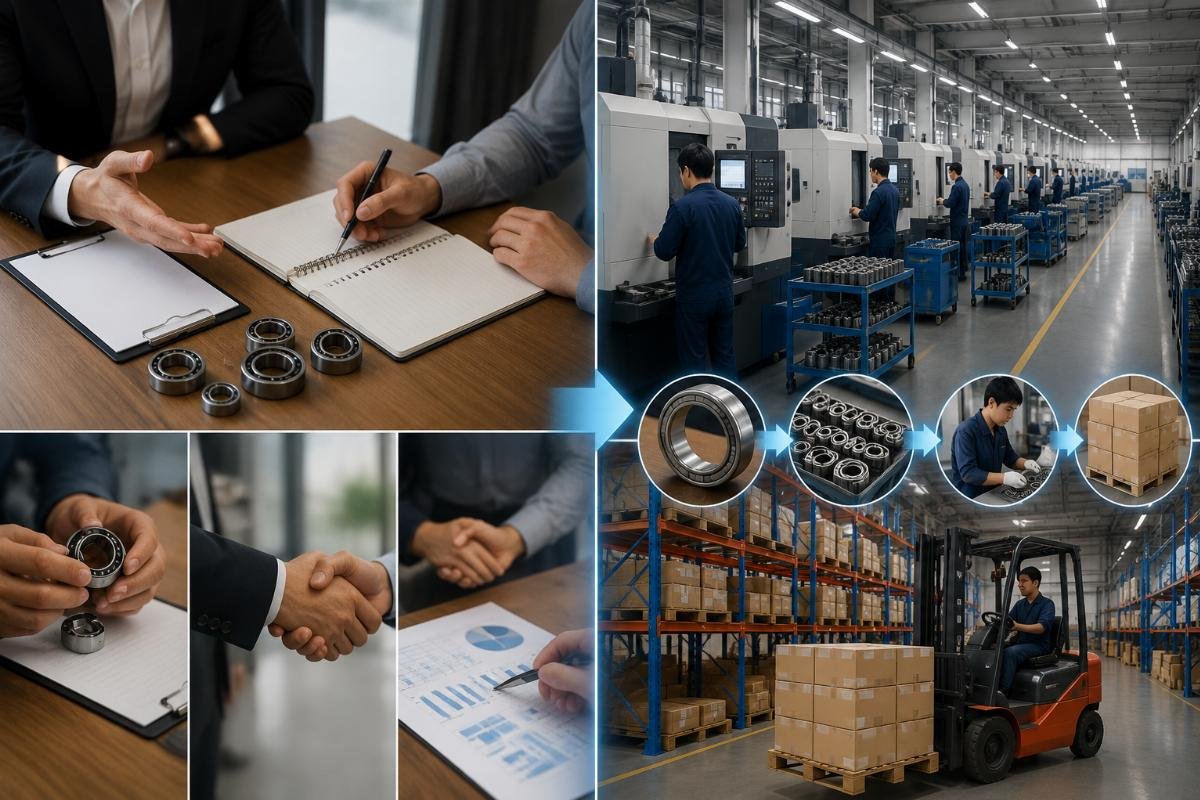
Let’s break down the exact, actionable steps to implement this framework for your next order.
What hidden rules do most buyers miss when negotiating bearing prices with Chinese suppliers?
Nearly all price variation for identical bearing specs ties back to supplier inventory and production status, not arbitrary markup. Many buyers assume suppliers quote different numbers based on profit targets or willingness to discount, but the reality is that a supplier will offer a drastically lower price if your order fits an upcoming production slot or pulls from existing in-stock SKUs, rather than requiring a separate production run.
| Negotiation Factor | Common Inefficient Approach | Proven Optimized Approach |
|---|---|---|
| Price Calculation Logic | Focus exclusively on per-unit quoted number | Map quotes to production run and inventory status |
| MOQ Alignment | Assume lower MOQ always leads to worse pricing | Use 10-piece MOQ for in-stock items vs 100-piece MOQ for custom orders [NEED_CITE: 20% to 30% price gap exists between identical bearings sourced from in-stock inventory vs custom production] |
| Lead Time Matching | Assume longer lead time always equals lower price | Match your order to existing supplier production scheduling windows |
A Dutch automotive aftermarket distributor ordering 270 high-turnover wheel hub SKUs last quarter initially pushed for a 10% discount on the listed custom production quote, only to find that 82% of the SKUs were already in supplier inventory. By committing to off-the-shelf pickup instead of custom runs, they locked in a 5% additional rebate, cut lead time from 21 days to 3 days, and avoided a 12% rush production surcharge they had not been quoted upfront. [NEED_CITE: Committing to off-the-shelf inventory pickups for high-turnover SKUs delivers consistent additional rebates]
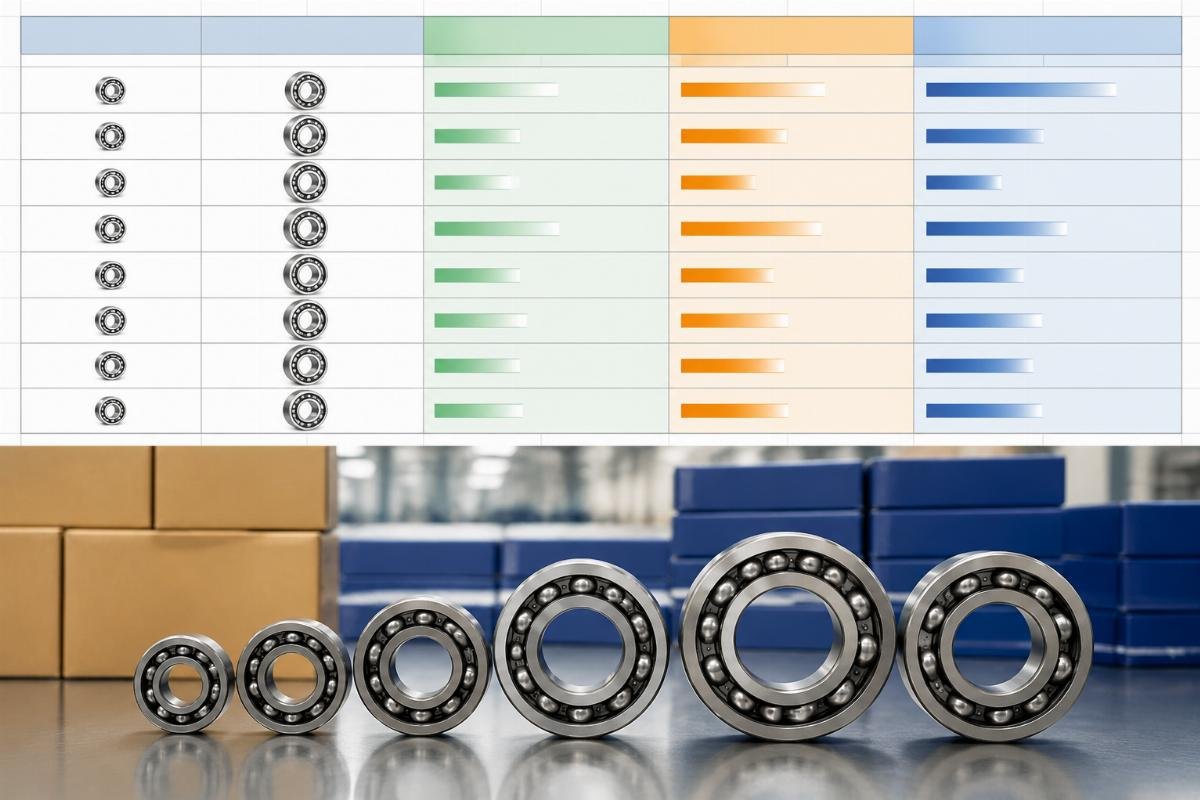
- Quote Context Check – Ask suppliers to explicitly note which SKUs are in stock vs requiring custom production, rather than accepting a flat bulk price.
- Production Slot Confirmation – Inquire about upcoming production runs for your required SKUs to see if you can slot your order into an existing batch.
- Hidden Surcharge Disclosure – Request full breakdowns of potential fees including rush charges, LCL surcharges, and custom tooling costs before negotiating final numbers.
How to structure your order to get the lowest possible bearing quotes without sacrificing quality?
Tweaks to your order structure deliver 15% to 25% more consistent savings than direct price demands. The biggest gains come from building your order around standard supplier operational thresholds, rather than forcing suppliers to adapt to your arbitrary order sizes.
| Order Type | Common Inefficient Structure | Proven Optimized Structure |
|---|---|---|
| Annual Bulk OEM Orders | Order in random monthly increments under 5,000 units | Align order volumes to 30+ unit tiered pricing thresholds for 15% extra discount beyond listed quotes |
| Full Container Distributor Orders | Ship single-category SKUs leading to LCL surcharges | Combine 10+ bearing categories to eliminate LCL fees and cut overall logistics cost by 20% |
| Small MRO Emergency Orders | Request custom production for 10-50 unit orders | Source from in-stock SKUs to avoid 100%+ markup for low-volume custom runs |
A Brazilian agricultural equipment buyer placing a Q2 bulk order for 12,000 tapered roller bearings initially planned to split the shipment into three separate 4,000 unit orders to align with their storage capacity. After adjusting to a single 12,000 unit shipment that slotted into a pre-scheduled supplier production run, they received an 18% total discount, had zero production delays, and paid 22% less in combined logistics fees.
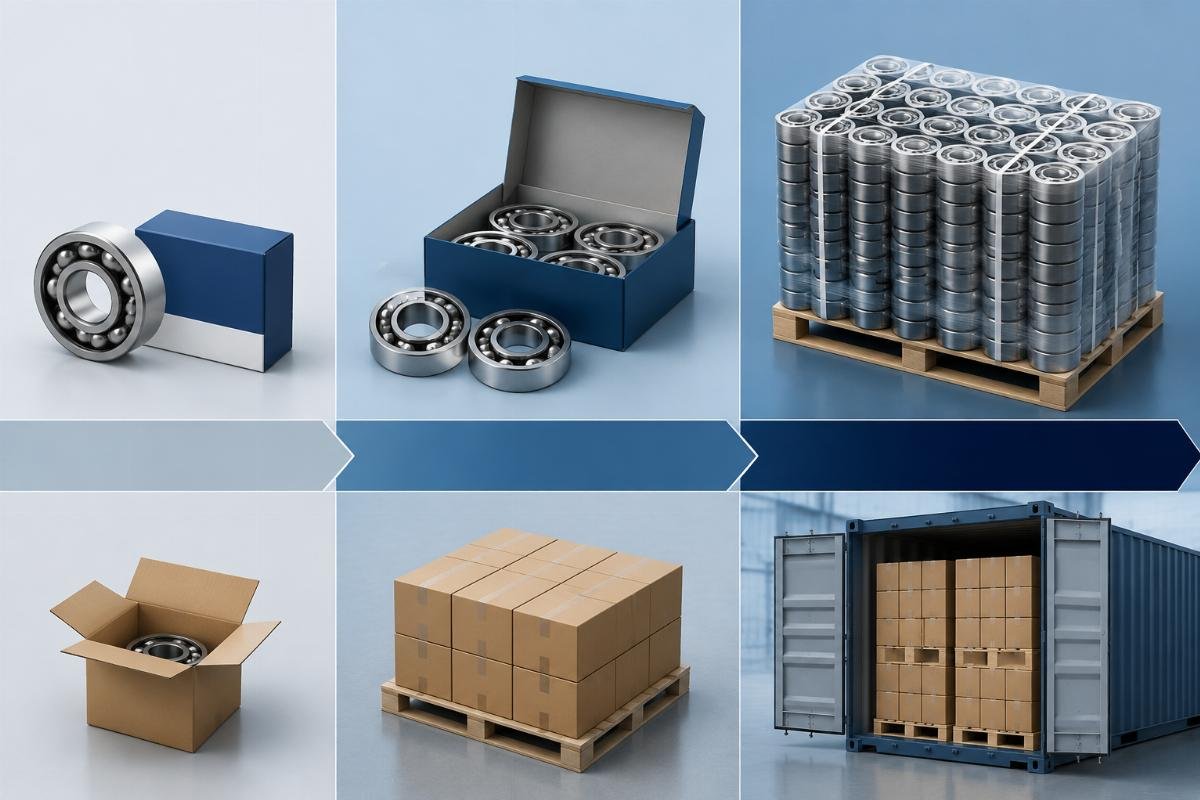
- Tier Alignment – Adjust your total order volume to hit the next published supplier tier threshold, even if that means holding extra stock for 30 to 45 days.
- SKU Pooling – Combine SKUs across different product categories from the same supplier to fill a full container and avoid partial shipment surcharges.
- Stock Priority Commitment – For regular repeat orders, confirm in writing that you will prioritize in-stock SKUs for all non-specialized parts to qualify for ongoing rebates.
What common negotiation mistakes lead to hidden extra costs in bearing procurement?
Focusing only on per-unit price while ignoring fine print adds 15% to 25% to your total landed cost. Most buyers fixate on the number printed on the first quote, and fail to account for fees, lead time penalties, and quality inconsistency that add up over the life of the order.
| Negotiation Focus | Common Costly Mistake | Low-Risk Protective Practice |
|---|---|---|
| Total Cost Calculation | Only compare quoted per-unit prices | Calculate full landed cost including shipping, inspection, and warranty terms |
| Post-Negotiation Consistency | Accept verbal pricing promises | Verify supplier factory partnership scale and stock SKU coverage to avoid post-negotiation price hikes |
| Quality Accountability | Skip formal inspection terms | Require third-party inspection reports and clear warranty terms as part of the negotiated agreement |
A Kenyan mining equipment buyer last year accepted a quote that was 8% lower than a competing offer, only to discover after shipment that the supplier had no existing stock of the required spherical roller bearings, leading to a 6-week production delay and a 17% rush shipping fee that was not included in the original quote. The competing supplier with 30+ long-term factory partnerships and 10,000+ in-stock SKUs would have been able to ship within 3 days at a final total cost 12% lower than the delayed order.
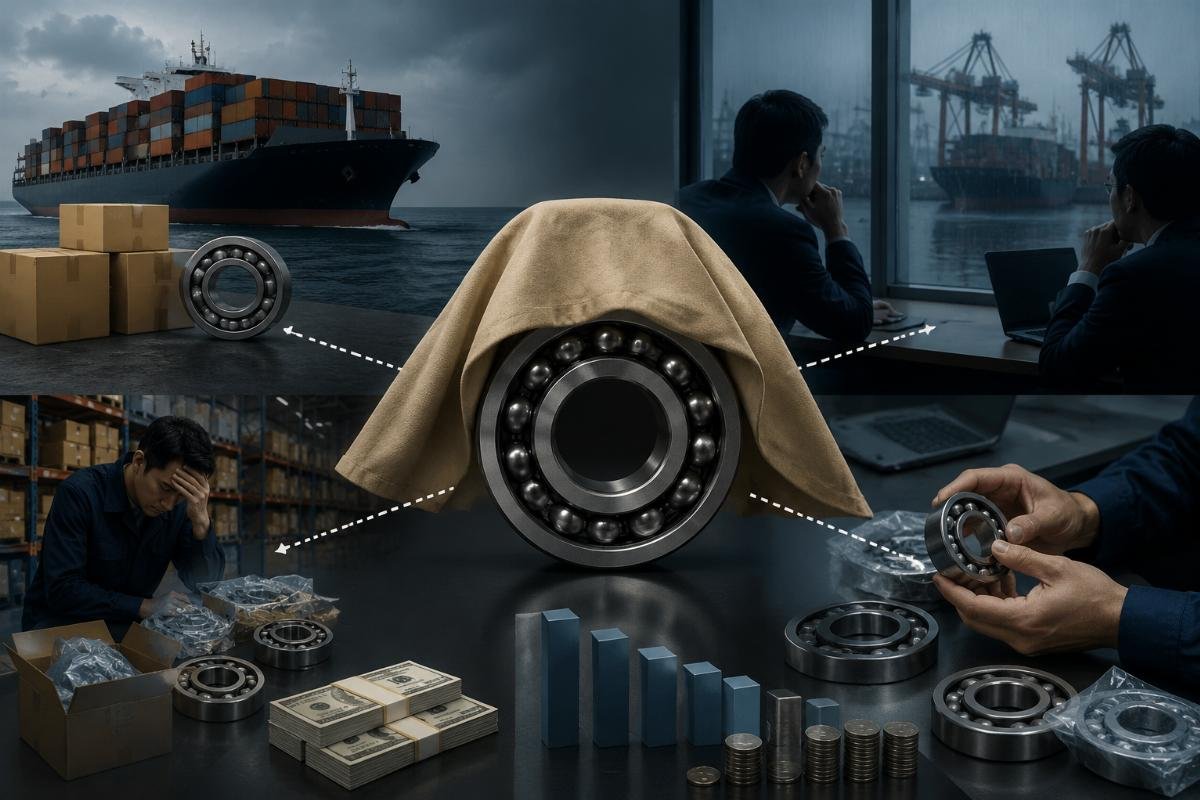
- Total Landed Cost Audit – Calculate all associated fees for every quote before comparing, rather than only looking at per-unit pricing.
- Pricing Lock Clause – Request a 6 to 12 month price guarantee for all repeat order SKUs as a non-negotiable part of the agreement.
- Warranty Alignment – Confirm warranty coverage of 6 months to 2 years based on bearing precision grade to avoid unexpected replacement costs.
Conclusion
Aligning your order to how Chinese bearing suppliers actually operate delivers consistent, verifiable savings that generic haggling cannot match. You don’t need to pressure suppliers to cut margins to lock in 50-70% off OEM brand pricing, you just need to structure your request around their existing inventory and production schedules. This framework works for every buyer segment, from 10-piece emergency MRO orders to full container bulk restocks, with zero tradeoff to quality or delivery reliability. The biggest mistake you can make is approaching negotiations the same way you would bargain for consumer goods, rather than treating the process as a collaborative alignment with supplier operational rules.

Written by
authorEditor covering global sourcing, supplier verification, and industrial product knowledge. Content is compiled from manufacturer specifications, industry standards, and hands-on experience with international B2B buyers. Every article is fact-checked before publishing to help procurement professionals make informed decisions.
Leave a Reply