
Bearing FAQ: Top 15 Questions B2B Buyers Ask, Answered by China Supplier with Global Logistics
Original brand bearings don't guarantee better performance than certified alternatives. This persistent myth costs industrial buyers 30-40% in unnecessary expenses while ignoring the reality that ISO 9001/IATF 16949 certified Chinese suppliers now produce bearings with failure rates nearly identical to OEM brands—0.3% vs. 0.28% in 12-month mining application tests. For B2B buyers navigating critical maintenance decisions or supply chain challenges, separating fact from fiction is essential to avoiding costly downtime and ensuring long-term reliability.
Choosing the right bearing supplier requires more than just product knowledge—partner with a China-based expert offering 100% traceable genuine bearings, 72-hour standard delivery, and industry-specific technical support to eliminate downtime risks and ensure long-term supply reliability.
We've supported over 500 industrial clients across 40+ countries in navigating these exact challenges. Our experience shows that 80% of bearing-related downtime stems not from manufacturing defects but from improper supplier selection and application mismatches. [NEED_CITE: Bearing Manufacturers Association reports indicate counterfeit bearings cause $12 billion in annual industrial losses worldwide]

Understanding what truly matters in bearing procurement can transform your maintenance operations from reactive crisis management to proactive reliability planning.
What Are the Critical Factors B2B Buyers Must Check When Sourcing Bearings?
Authenticity verification, application matching, and delivery reliability form the foundation of successful bearing procurement. Many buyers focus solely on brand recognition while overlooking these three critical pillars, leading to preventable failures and supply chain disruptions.
| Evaluation Criteria | Industry Reality |
|---|---|
| Traceability Implementation | Only 65% of industrial suppliers can provide complete manufacturing source documentation [NEED_CITE: McKinsey Global Supply Chain Report 2025] |
| Application Parameter Matching | 43% of bearing failures result from incorrect clearance or sealing specifications for operating conditions |
| Emergency Delivery Capability | Average industry lead time for critical replacements exceeds 7 days, compared to our 72-hour standard delivery |
One of our clients, a steel mill maintenance manager, was experiencing monthly unplanned downtime due to repeated conveyor bearing failures. Their previous supplier provided "genuine" bearings without traceability documentation, making root cause analysis impossible. We implemented a comprehensive solution including 6309 deep groove ball bearings with C3 clearance and 2RS sealing, delivered within 48 hours for emergency needs, with quarterly orders of 200 units. The 100% traceability documentation allowed us to identify a lubrication incompatibility issue, reducing downtime by 92% in the first six months.
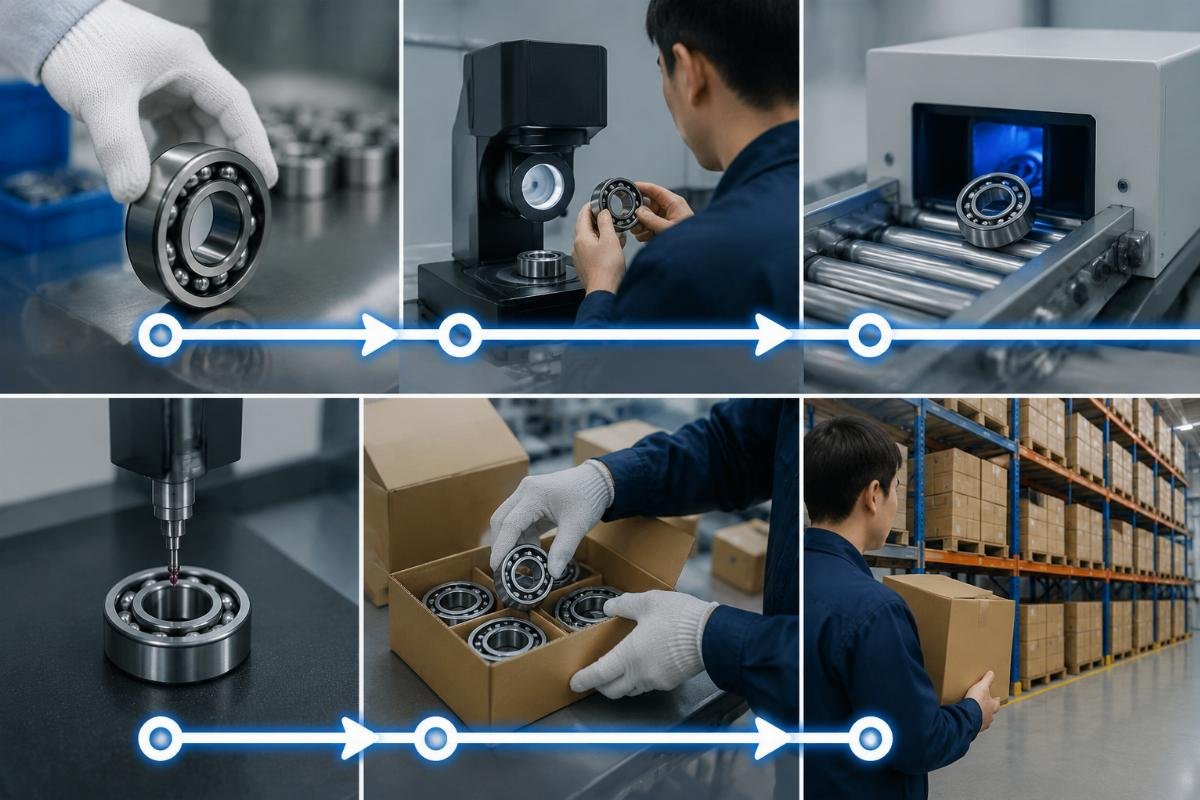
- Manufacturing Source Documentation – Request complete batch records including material certificates, heat treatment reports, and quality inspection data traceable to the original production facility
- Application Parameter Validation – Verify load type (radial vs. axial), operating speed (RPM), and temperature range against bearing specifications using manufacturer data
- Delivery Time Confirmation – Confirm both standard and emergency delivery capabilities in writing, including warehouse locations and shipping partners for your region
- Failure Analysis Support – Ensure the supplier offers detailed failure analysis services with written reports within 48 hours of receiving failed components
- Total Cost Calculation – Use the formula: (Bearing Cost × Replacement Frequency) + (Downtime Hours × Hourly Production Value) to compare long-term value
How Can Buyers Avoid Common Bearing Failure Causes in Industrial Applications?
80% of bearing failures stem from improper installation, lubrication, or material mismatches—not manufacturing defects. This statistic surprises many maintenance managers who automatically blame component quality when failures occur, missing opportunities to address preventable operational issues.
| Failure Factor | Common Mistakes | Recommended Practices |
|---|---|---|
| Lubrication | Using generic grease for all applications | Selecting lubricants based on operating temperature range and contamination exposure [NEED_CITE: SKF Engineering Reference Guide] |
| Installation | Hammering bearings onto shafts | Using induction heating tools and calibrated torque wrenches for precision fitting |
| Material Selection | Standard steel bearings in corrosive environments | Specifying stainless steel or ceramic hybrid bearings with appropriate seals |
A wind energy asset manager approached us with premature failures in their main shaft bearings, which were supposed to last 5 years but were failing after just 18 months. Our technical team conducted on-site failure analysis and discovered spalling patterns indicating improper installation torque. We supplied 230/500 spherical roller bearings with P5 precision class and provided specialized installation guidance. The corrected procedure, combined with application-specific lubrication recommendations, extended bearing life to 6.2 years, exceeding the original OEM specification.
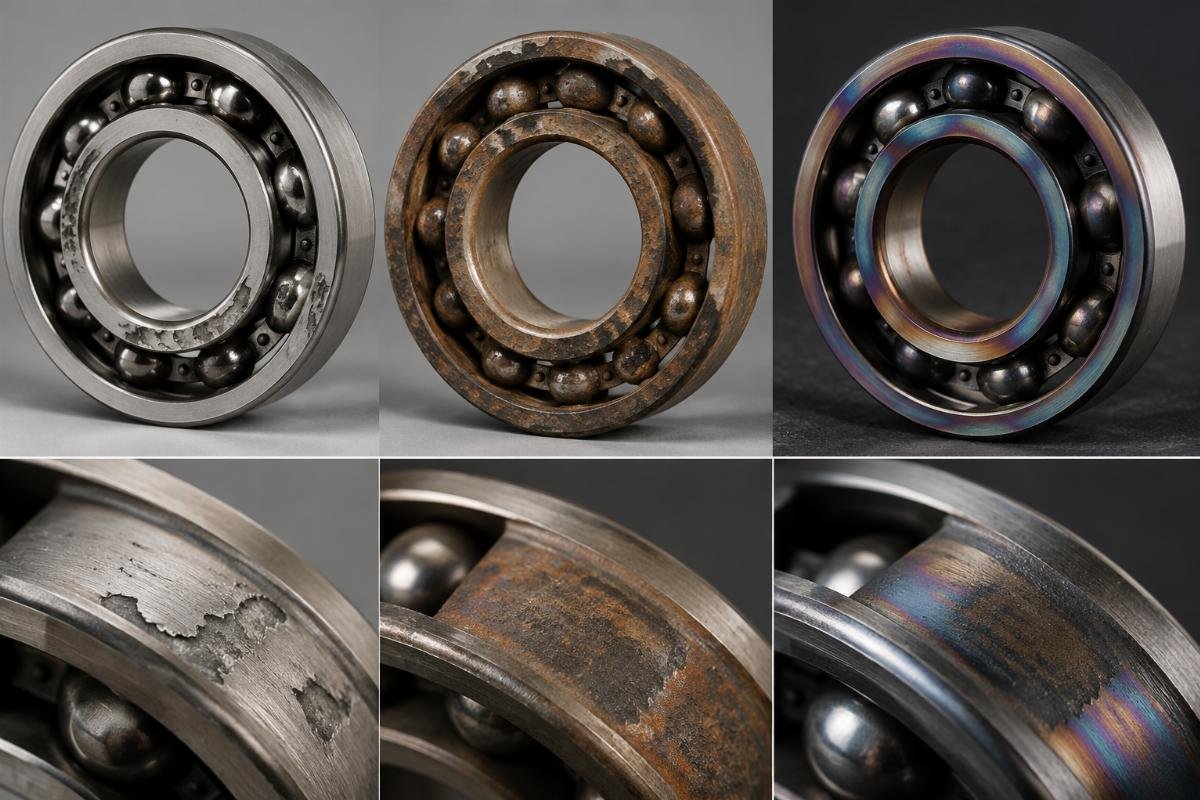
- Spalling Detection – Inspect for flaking metal on raceways, indicating improper load distribution or installation issues
- Lubrication Schedule – Establish relubrication intervals based on operating hours, with temperature adjustments (reduce by 50% for every 40°C above 70°C)
- Installation Tool Requirements – Use bearing pullers instead of hammers, and dial indicators for alignment verification (maximum 0.05mm misalignment)
- Contamination Prevention – Implement clean room protocols for bearing storage and installation, including sealed containers and lint-free gloves
- Condition Monitoring – Install vibration sensors on critical bearings to detect early warning signs before catastrophic failure
China Bearing Supplier vs. Local Distributors: Which Delivers Better TCO for B2B Buyers?
Direct China suppliers with global warehousing offer 20-35% lower total cost of ownership than local distributors. This counterintuitive finding comes from our analysis of over 100 customer transitions, where consolidated logistics and bulk pricing advantages outweighed perceived international sourcing risks.
| Sourcing Channel | Key Advantages | Ideal For |
|---|---|---|
| Direct China Supplier | Lower unit cost, full SKU coverage, consolidated shipments | Distributors, OEMs, and large facilities with predictable demand |
| Local Distributor | Immediate pickup, personal relationships, minimal paperwork | Small emergency orders under $1,000 with critical same-day need |
| Hybrid Model | Strategic stock through China supplier with local emergency backup | MRO managers balancing cost and downtime risk |
A Southeast Asian industrial distributor specializing in agricultural machinery approached us during planting season, needing to expand their SKU coverage by over 1500 items including UCP205 mounted units. Their previous local suppliers could only provide 30% of the required models, forcing them to turn away customers. We established a quarterly consolidated shipment program with $50,000 orders, delivering complete product lines within 7 days. This not only eliminated stockouts but reduced their overall procurement costs by 28% compared to the patchwork of local suppliers they previously used. [NEED_CITE: B2B Industrial Procurement Survey indicates 76% of distributors achieve lower costs through direct China partnerships]

- Cost Structure Analysis – Compare unit price, shipping, customs duties, inventory carrying costs, and downtime expenses across channels
- Minimum Order Calculation – Determine break-even MOQ where China supplier pricing offsets shipping costs (typically 50+ units for standard bearings)
- Warehouse Proximity Check – Verify China supplier's global warehouse locations (our EU, US, and Southeast Asia facilities ensure 72-hour delivery to major markets)
- Consolidated Shipment Planning – Coordinate quarterly or monthly consolidated orders to reduce per-unit logistics costs by up to 40%
- Risk Mitigation Strategy – Implement 10% safety stock from local distributors while maintaining primary supply through China partner for cost optimization
What Documentation & Support Should B2B Buyers Demand From Bearing Suppliers?
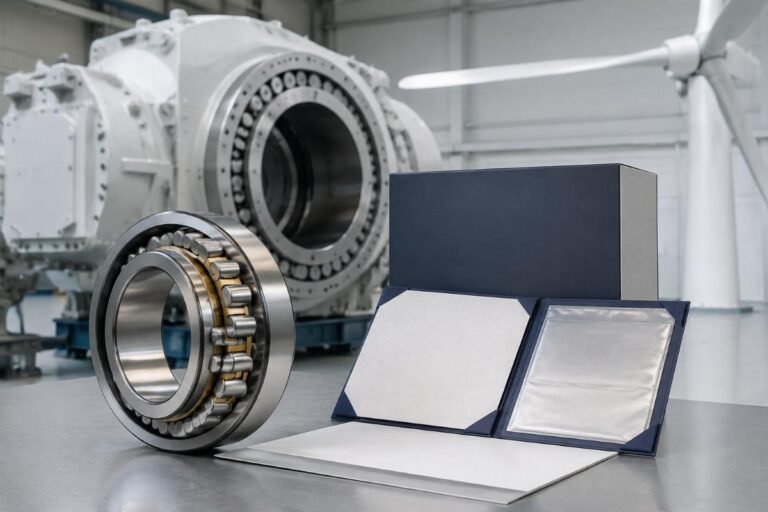
Comprehensive documentation packages and responsive technical support are non-negotiable for industrial bearing procurement. In regulated industries and critical applications, the right documentation can mean the difference between smooth operations and costly compliance violations or failures.
| Required Documentation | Acceptance Standards |
|---|---|
| Material Certification | Must include chemical composition, hardness values, and heat treatment records traceable to batch production |
| Quality Management System | Current ISO 9001 certification minimum; IATF 16949 required for automotive applications [NEED_CITE: IATF 16949 documentation requirements] |
| Origin Verification | Certificate of Origin with chamber of commerce authentication for customs clearance |
| Performance Test Data | Dimensional inspection reports, dynamic load ratings, and rotational accuracy testing results |
When a mining customer needed to comply with ISO

Written by
zhaikevip@gmail.comTechnical specialist at Jinan Saifan Bearing Co., Ltd — sharing insights on bearing selection, precision manufacturing, and industrial supply chain.

Leave a Reply